Cross platform app development is building one app using a shared codebase that works on both iOS and Android devices. Native development is building two separate apps, each in the platform’s own language and tools. Cross-platform is faster, more cost-effective and keeps the user experience consistent across devices. Native offers the best app experience but requires more time, effort and budget.
Hybrid or multi-platform app development is essentially the same as cross platform app development. People use different terms but they all describe building an app that runs on both iOS and Android using a shared codebase. In hybrid app development, instead of building two separate native apps, you build once and deploy on both platforms. This approach speeds up development, reduces cost and keeps user experience consistent across all devices.
No, cross-platform development isn’t suitable for all types of apps! It is considered suitable mostly if you need a cost-effective app that can ensure a broader outreach across different platforms. Cross-platform development might not be suitable for performance-heavy mobile apps that need high-end native features.
Yes, cross‑platform development is excellent for MVPs, especially for startups and small businesses that need to launch quickly and validate ideas with minimal cost. It delivers faster time‑to‑market, wider reach across both Android and iOS, and a single codebase that keeps the development lean. This makes it easy to test your MVP with real users, gather feedback, and iterate rapidly before investing in a full‑scale product.
The best cross-platform framework depends on your goals, timeline and tech stack. If you want a fast, native-like mobile experience and a huge ecosystem, React Native is a strong choice. If you need to build mobile and web together, with beautiful UI and smooth performance, Flutter is great. And if your team works in the .NET ecosystem, .NET MAUI is the most natural fit, because it helps you build for iOS, Android, and macOS using one C# codebase. Pick the framework that aligns with your team’s skills and user experience you aim to deliver.
Yes, one cross-platform app can run on iOS, Android, web and even desktop depending on the framework you choose. Flutter and .NET MAUI are designed for multi-device experiences and can target mobile, web, desktop using a single codebase. React Native mainly focuses on iOS and Android, but can be extended to web and desktop with additional libraries.
Yes, we have expertise in integrating native device features and APIs into cross-platform apps. We can integrate camera, GPS, push notification, HealthKit, In-App Purchase, Biometrics, AI/ML services.
We build cross platform apps by moving through a streamlined cycle of planning, UI/UX design, shared code development, backend integration, testing and deployment across iOS, Android, web or desktop. A simple MVP takes 8-12 weeks, mid-level apps take 3-5 months while complex solutions can take 6 months or more.
Cross platform app development is generally more affordable than building native apps, but the exact cost depends on the app’s complexity, features and backend needs. A simple MVP can cost around $20K- $45K, while more advanced apps with custom integrations, real-time features, and multi-device support may be in the range of $70K to $100K. Cross platform apps use a shared codebase for both iOS and Android which keeps the cost down by 30-40% from native app development.
Choosing the right company comes down to a few practical checks. Look for a team with proven experience in building cross platform apps. Review their portfolio to see the real apps they have delivered and whether they match the quality you expect. Check their technical expertise, whether they are strong in frameworks like ReactNative, Flutter or .NET MAUI. If your app needs hardware integration like BLE, make sure the vendor can do it. Make sure that they follow a clear development process, offer post-launch support, and communicate well throughout the process. Last but not the least, consider their client responsiveness, and their ability to understand your business goals clearly.
Focus on a few key things like a strong record of building apps that work smoothly across iOS, Android, web and desktop, and a US-based team that is easy to communicate and available during your working hours. Since you are looking for US based companies, their rates are around 120-200 per hour, so you should be ready for those types of billing rates. Additionally, check their portfolio and client reviews. Finally, consider whether they offer agile development, transparent pricing and long-term support.
Outsourcing is a smart move especially if you want to launch faster, reduce costs and access experienced expertise. It lets you work with a skilled team that handles design, development, testing and maintenance without the overhead of hiring in-house experts. For many startups and growing businesses, it is an efficient way to get a high-quality app built while staying focused on strategy and growth. It is a great idea if you don’t have technical expertise to handle the project in-house.
Simpalm offers dedicated cross‑platform developers who can join your project full‑time and work as an extension of your team. They’re experienced with React Native, Flutter, and .NET MAUI, and can handle everything from custom features and UI/UX to backend development and ongoing maintenance.
Yes. Simpalm provides consulting for cross‑platform app projects. If you don’t need full development and only want expert guidance, we can help you plan the right architecture, choose the best framework, refine feature list, estimate timelines, and avoid common technical pitfalls.
If you need a heavily customized cross-platform app, the best move is to work with a team who has deep experience of building tailored solutions. Share your vision, workflows, and feature requirements, upfront, so they can plan the architecture, choose the right framework and chalk out a clear development strategy. You should spend enough time in design and architecture planning so that you have proper specifications, design and architecture laid out for your custom app. Look for a company who offers clean UI/UX design, scalable backend development, and flexible iteration cycles because custom apps evolve as you refine the idea. A trustworthy partner should communicate well and support you post-launch to make the journey smooth and successful.
Look for a development partner who can handle large-scale architecture, strict security requirements and long-term reliability. Their team should be experienced in building enterprise apps that handle heavy traffic, complex workflows, and multi-device usage. They should offer strong UI/UX, scalable backend development, cloud integration, and rigorous testing across all platforms. Enterprise apps evolve constantly, so find a company who provides ongoing maintenance, compliance and clear communication.
Yes, we can help. A good cross-platform UI/UX process focuses on creating layouts, interactions and visual systems that feel consistent across iOS, Android, Web and Desktop. With our partnership, you can expect user research, clean wireframes, intuitive navigation and responsive design that adapts to different screen sizes. We will support you end-to-end with strong UI/UX design, ease of use and an app that looks and feels polished.
We use BrowserStack to test the app on different iOS and Android devices to make sure they all work perfectly on various screen sizes and operating systems.
Yes, we can assist you with the submission process to different app stores, including Apple App Store and Google Play Store. We will help you open your accounts on Google Play and Apple App store and submit all the content to get it published.

 Design
 App Development
 Web Engineering
 AI Services
 Cloud
Cloud Staffing
 Startups
 Health / Fitness
 Education
 Social
 Nonprofit
 Fintech
 Construction
 Logistics
 Government
 Travel/Hospitality
 HR Software
 About Simpalm
 Our News
 Client Testimonials
 Careers
 Our Blog
 Awards
 Resources
 Information













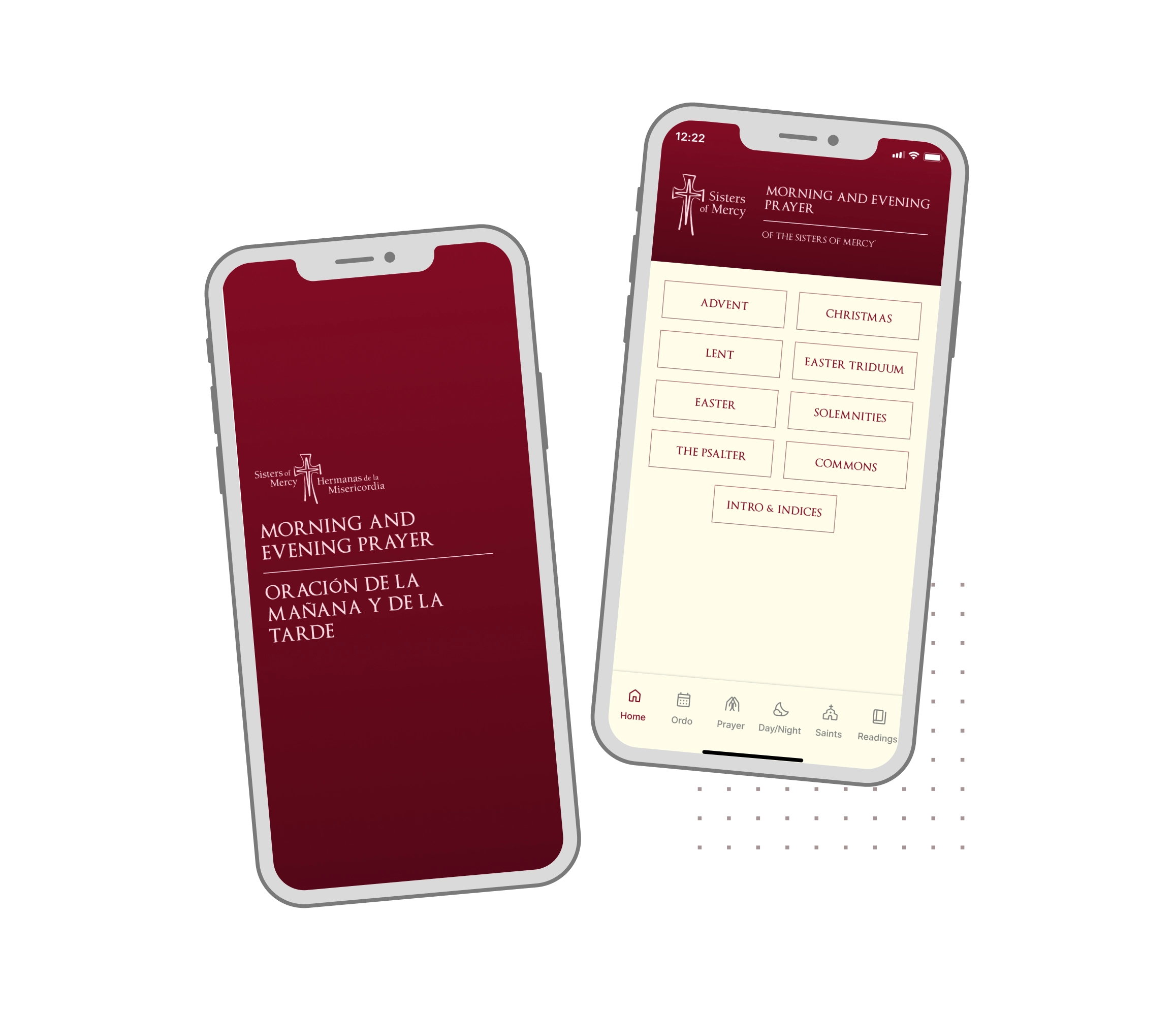
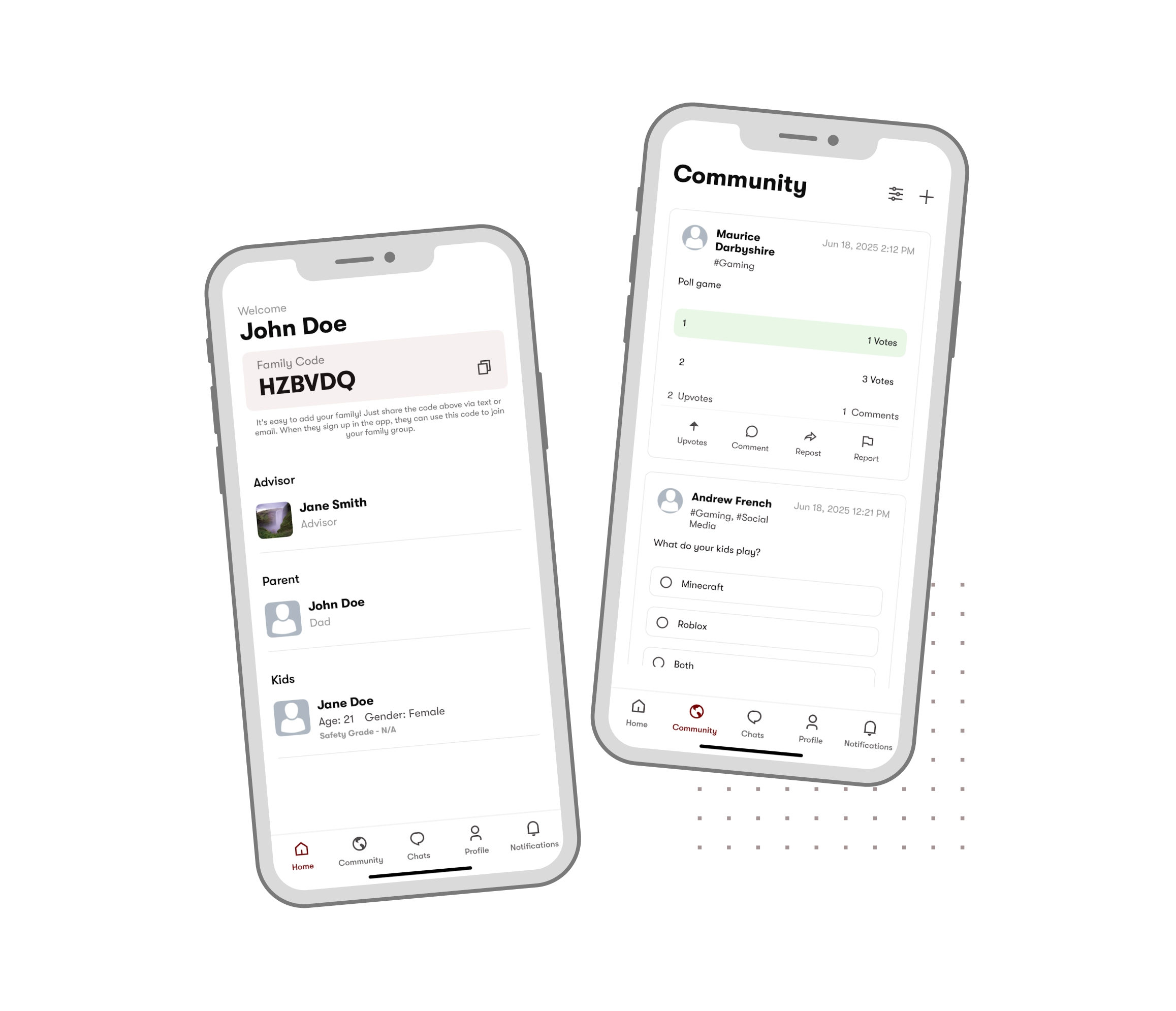





 Cross-platform frameworks have become very robust and can build near-native experience apps. React Native, Flutter and .Net MAUI are a few frameworks, backed with sophisticated tools for minimizing performance gaps in your mobile app.


